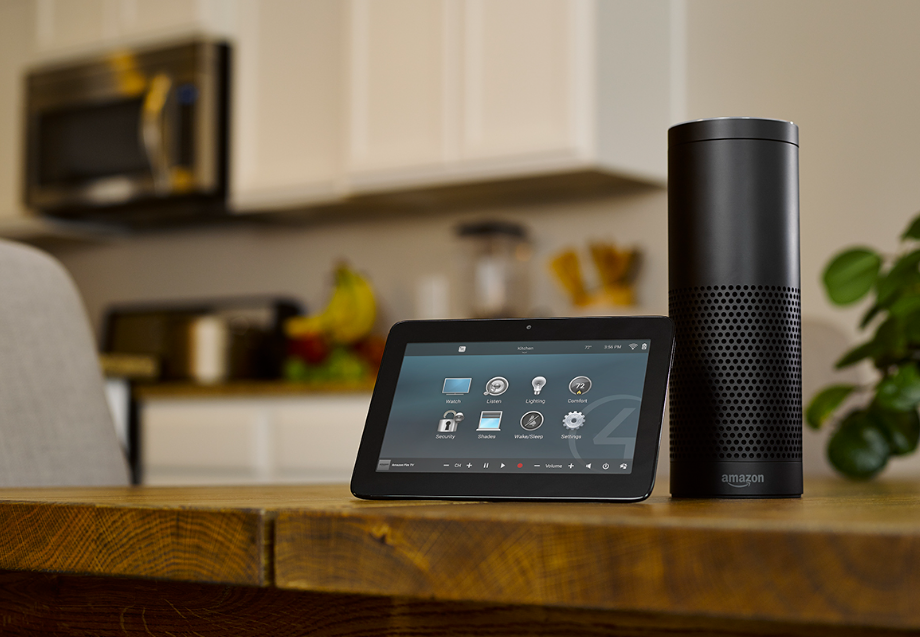
Voice-controlled home systems are networks that convert spoken commands into actions for lights, climate, media, and more. They rely on voice recognition, processing, and connected devices to automate routines across spaces. Choice of platform shapes compatibility, privacy, and control. Setup emphasizes clear permissions, testing, and security to maintain trust. Performance hinges on reliability and latency, with fallbacks for outages. The balance between convenience and safeguards invites practical exploration of how to optimize daily use and resilience.
What Are Voice-Controlled Home Systems and How They Work
Voice-controlled home systems are networks of devices and software that execute spoken commands to perform tasks such as adjusting lights, thermostats, and media. They translate speech into actions through voice recognition and acoustic architecture, enabling seamless automation.
This overview highlights practical operations, system reliability, privacy considerations, and user empowerment.
Two concise discussion ideas: motion-tracking prompts; multi-room command challenges.
See also: The Silent Revolution: How Technology Is Redefining Human Potential
Choosing Your Platform: Devices, Assistants, and Ecosystems
Choosing the right platform hinges on compatibility, ecosystem goals, and real-world usability rather than feature lists alone. Device variety, voice assistant reach, and cross-brand compatibilities shape practical choice. Platform comparisons reveal strengths and gaps in control, updates, and support. Ecosystem integration considerations matter for seamless routines and future growth, granting freedom to expand without locking into single vendors.
Setting Up for Real-Life Use: Routines, Privacy, and Security
Setting up for real-life use centers on translating platform choices into reliable daily routines while safeguarding privacy and security.
The analysis emphasizes practical alignment of devices with user habits, ensuring consistent routines privacy integration and ongoing security privacy assessments.
Clear configuration, permission management, and routine testing reduce noise, empowering users with predictable automation while maintaining control, transparency, and freedom from intrusive data practices.
Maximizing Performance: Tips, Tricks, and Troubleshooting
How can users squeeze maximum performance from voice-controlled home systems without compromising reliability? The guidance centers on practical tuning, measured adjustments, and rapid troubleshooting. Tuning latency is reduced through selective wake words and optimized cloud processing paths. Identify voice bottlenecks early, address network jitter, and simplify routines. Clear feedback helps maintain trust, while robust fallbacks preserve control amid service interruptions.
Frequently Asked Questions
How Do Voice Assistants Learn My Voice and Improve Accuracy?
Voice recognition improves through user-specific data and privacy-preserving methods; models train on diverse samples, yet adapt with consent. The process emphasizes model training quality, careful feature extraction, and incremental learning to enhance accuracy while respecting freedom and control.
Can Voice Systems Control Non-Smart Devices in My Home?
Voice systems can’t reliably control non-smart appliances. Voice controlled devices require compatible hardware and setup; without proper compatibility, control attempts fail. Home automation may expand to non-smart items only via bridges, adapters, or retrofitting, considering setup issues and safety.
What Happens if the Internet Goes Down During Use?
During an internet outage, the system may revert to offline operation with limited functionality. For example, a smart hub could still execute locally programmed routines. The analysis emphasizes resilience and user freedom amid connectivity interruptions.
Are There Risks of Eavesdropping or Data Leaks at Home?
Yes, there are privacy risks and potential data leaks at home; devices may collect, transmit, or store info. Users should scrutinize privacy settings, minimize data sharing, and segment networks to reduce exposure and enhance personal freedom.
How Can I Manage Multi-Room Audio and Timing Across Devices?
Practical planning: multi-room orchestration and cross-device timing require stable networks, synchronized protocols, and centralized control. It suggests consistent speaker groups, latency awareness, and equalized playback; adoption aids freedom, clarity, and seamless, user-friendly multi-room experiences across devices.
Conclusion
Voice-controlled home systems offer convenient automation, but their value hinges on reliable setup and vigilant privacy practices. Clear permissions, routine testing, and thoughtful security reduce risks while preserving responsiveness. Choose a compatible platform, configure meaningful routines, and monitor performance to minimize latency. When issues arise, troubleshoot network stability and device compatibility as a first line of defense. In essence, they are a trusted extension of daily life—like a well-tuned orchestra where every instrument remains in harmony.
